Enhance Visual Communication with Change of Mood Icon
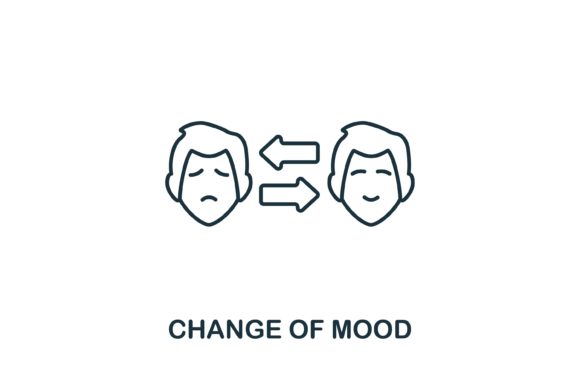
In the ever-evolving world of graphic design, the Change of Mood Icon stands out as a versatile and impactful visual element. This icon, part of the psychotherapy collection, is not just a simple symbol; it's a powerful tool for designers, marketers, and creators looking to add depth and nuance to their projects.
Why the Change of Mood Icon Matters
The Change of Mood Icon is a line-based graphic that can be easily integrated into various design projects. Its clean, minimalist style makes it ideal for infographics, web design, and even print materials. The icon's ability to convey emotional shifts adds a layer of sophistication and relatability to your designs, making it a valuable asset in any creative toolkit.
Practical Applications in Graphic Design
- Branding and Logo Design: Incorporate the Change of Mood Icon into logos or branding elements to create a more dynamic and emotionally resonant identity.
- Marketing Materials: Use the icon in brochures, flyers, and posters to highlight the emotional journey of your brand or product.
- Social Media Content: Add the icon to social media graphics to visually represent mood changes, enhancing the storytelling aspect of your posts.
- Website and UI Design: Integrate the icon into user interfaces to provide visual cues and improve the overall user experience.
- Editorial Layouts: Utilize the icon in magazines, books, and other editorial content to break up text and add visual interest.
- Packaging Design: Include the icon on product packaging to create an emotional connection with consumers.
- Advertising Campaigns: Feature the icon in ads to emphasize the emotional benefits of your product or service.
- Presentations: Use the icon in presentations to illustrate key points and keep the audience engaged.
- Merchandise: Print the icon on t-shirts, mugs, and other merchandise to create unique and meaningful products.
- Digital Products: Incorporate the icon into digital products like apps and e-books to enhance the user interface and experience.
Selecting and Using the Change of Mood Icon Effectively
When selecting and using the Change of Mood Icon, consider the following tips to ensure it enhances your design:
- Consistency: Maintain a consistent visual style across all design elements to create a cohesive look and feel.
- Readability: Ensure the icon is clear and easy to understand, even at smaller sizes. Test it in different contexts to confirm its effectiveness.
- Scalability: Choose a vector format (such as EPS, AI, or SVG) to ensure the icon scales well without losing quality, whether used in small icons or large banners.
- Visual Hierarchy: Place the icon strategically within your design to guide the viewer's eye and emphasize key messages.
- Audience Expectations: Tailor the use of the icon to meet the expectations and preferences of your target audience. Consider the context and the emotional response you want to elicit.
- Design Goals: Align the use of the icon with your overall design goals. Whether you aim to inform, inspire, or engage, the icon should support these objectives.
- Compatibility with Brand Systems: Ensure the icon fits seamlessly with your existing brand identity, including color palettes, typography, and other visual elements.
Contributing Factors to a Professional Result
Beyond the icon itself, the integration of typography, color, composition, and imagery plays a crucial role in achieving a polished and professional result. For example, a well-chosen color palette can enhance the emotional impact of the Change of Mood Icon, while thoughtful typography can complement its clean lines and modern aesthetic. Composition and imagery should also be carefully considered to create a balanced and visually appealing design.
By leveraging the Change of Mood Icon and other high-quality creative assets, you can elevate your design projects and create a more engaging and effective visual communication. Whether you're working on a new brand identity, a marketing campaign, or a digital product, the right design elements can make a significant difference in how your message is received and remembered.