Understanding the Memory Loss Icon: A Comprehensive Guide
Memory loss is a common and often misunderstood phenomenon. To help visualize and communicate this concept, designers and content creators use specific icons. One such icon is the Memory Loss Icon, which is part of a broader collection of psychotherapy symbols. This article will explore the Memory Loss Icon, its significance, and how it can be used in various contexts.
What is the Memory Loss Icon?
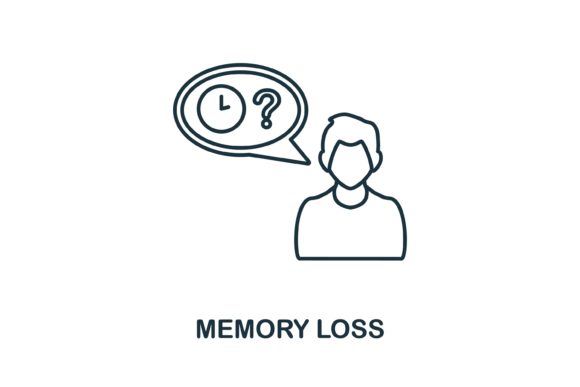
The Memory Loss Icon is a visual representation designed to symbolize the concept of memory loss. It is typically depicted as a simple, clean line drawing, making it easy to recognize and understand. The icon is part of a larger collection of psychotherapy-related symbols, which are used in infographics, web design, and other forms of visual communication.
Purpose and Significance
The primary purpose of the Memory Loss Icon is to provide a quick and clear visual cue for the concept of memory loss. In a world where information is often presented visually, having a universally recognized symbol can greatly enhance understanding and communication. The icon serves several key functions:
- Educational Tool: It helps in teaching and explaining the concept of memory loss to students, patients, and the general public.
- Visual Aid: It can be used in infographics, presentations, and educational materials to illustrate and support written or spoken content.
- Design Element: It adds a professional and meaningful touch to web designs, brochures, and other marketing materials related to mental health and therapy.
Practical Relevance in Modern Life
Memory loss is a topic that affects many people, whether due to aging, medical conditions, or other factors. The Memory Loss Icon plays a crucial role in raising awareness and providing support in various aspects of modern life:
- Healthcare: Doctors and therapists use the icon in patient education materials to explain memory loss and its causes, helping patients and their families better understand the condition.
- Education: Teachers and educators can incorporate the icon into lesson plans and presentations to help students grasp the concept of memory and its importance in learning and daily life.
- Technology: In user interfaces and apps related to brain health and cognitive training, the icon can guide users and make the experience more intuitive and engaging.
How to Use the Memory Loss Icon
The Memory Loss Icon is versatile and can be used in a variety of ways. Here are some practical examples:
- Infographics: Include the icon in infographics to visually represent data and statistics related to memory loss, such as prevalence rates or treatment options.
- Web Design: Use the icon on websites and blogs focused on mental health, neuroscience, or psychology to add a professional and relevant visual element.
- Print Materials: Incorporate the icon into brochures, flyers, and posters to draw attention to memory loss and its associated services or resources.
File Formats and Editing
The Memory Loss Icon is available in multiple file formats, making it easy to edit and use in different projects. You will receive the following file types:
- .EPS (Encapsulated PostScript): Ideal for high-quality printing and scalable vector graphics.
- .JPG (Joint Photographic Experts Group): Suitable for web and digital use, with a fixed resolution.
- .AI (Adobe Illustrator): Perfect for editing and customizing the icon using vector graphic software.
- .SVG (Scalable Vector Graphics): Great for web use, as it can be scaled without losing quality.
Common Misunderstandings and Clarifications
While the Memory Loss Icon is a useful tool, there are some common misunderstandings about its use and the concept of memory loss itself. Here are a few clarifications:
- Not All Memory Loss is Permanent: Many cases of memory loss, especially those related to stress or minor injuries, can be temporary and reversible with proper care and treatment.
- Memory Loss is Not Just for the Elderly: While age is a factor, memory loss can affect people of all ages due to various reasons, including trauma, medical conditions, and lifestyle factors.
- Icon Usage Context Matters: The effectiveness of the Memory Loss Icon depends on the context in which it is used. It should be placed thoughtfully to ensure it enhances rather than confuses the message.
Conclusion
The Memory Loss Icon is a powerful and versatile tool for visual communication. Whether you are a healthcare professional, educator, or designer, incorporating this icon into your work can help raise awareness and improve understanding of memory loss. By using the provided file formats and following best practices, you can effectively leverage this icon to support your message and engage your audience.
For more information and resources on memory loss and related topics, consider exploring reputable sources and professional organizations dedicated to mental health and cognitive science.