Understanding and Utilizing the Otoscope Icon in Medical Graphics
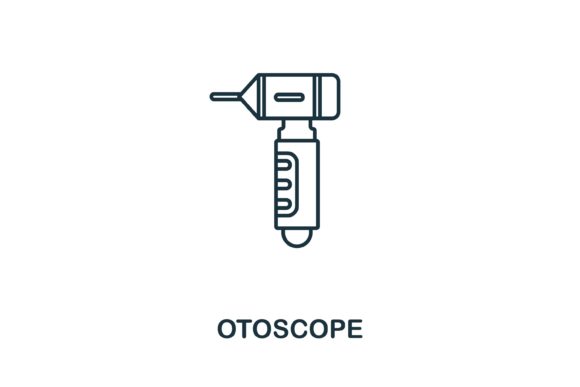
The Otoscope Icon is a versatile and essential element in medical graphics, particularly for those involved in creating infographics, web designs, or any visual content related to healthcare. This icon, often found in medical equipment collections, represents the otoscope, a tool used by healthcare professionals to examine the ear. The line-based design of the Otoscope Icon makes it ideal for various applications, from detailed infographics to clean, modern web designs.
What is the Otoscope Icon?
The Otoscope Icon is a graphical representation of an otoscope, a medical instrument used to look into the ears. It typically features a simple, line-based design that can be easily recognized and integrated into different visual projects. This icon is part of a broader collection of medical equipment icons, which are designed to be visually consistent and easy to use in various contexts.
Where Does the Otoscope Icon Fit in Your Workflow?
The Otoscope Icon can be a valuable asset at multiple stages of your project, whether you are a designer, marketer, or educator. Here’s how it can fit into your workflow:
- Planning Stage: During the initial planning phase, the Otoscope Icon can help you brainstorm and conceptualize the layout of your infographic or web page. Its clear, recognizable design can serve as a placeholder or a focal point, guiding the overall structure of your project.
- Design Phase: In the design phase, the Otoscope Icon can be seamlessly integrated into your visual content. Its line-based style allows for easy customization, making it compatible with various color schemes and design aesthetics. This flexibility ensures that the icon enhances, rather than distracts from, your overall design.
- Presentation and Publishing: When presenting or publishing your work, the Otoscope Icon can help convey key information clearly and professionally. Whether you are creating a medical brochure, a website, or an educational resource, the icon can effectively communicate the presence and function of an otoscope in a way that is both visually appealing and informative.
Practical Implementation Tips
To make the most of the Otoscope Icon in your projects, consider the following practical tips:
- Select the Right File Format: The Otoscope Icon comes in multiple file formats—EPS, JPG, AI, and SVG. Choose the format that best suits your needs. For example, use EPS or AI for vector editing, and JPG or SVG for web and print projects.
- Customize for Consistency: Customize the icon to match your brand or project’s style. You can adjust colors, line thickness, and other elements to ensure consistency across all your visual materials.
- Use in Context: Place the Otoscope Icon in a context that makes sense for your audience. For instance, if you are creating an infographic about ear health, the icon can be used to highlight specific sections or steps in the examination process.
- Combine with Other Icons: Pair the Otoscope Icon with other medical equipment icons to create a comprehensive and cohesive set of visuals. This can be especially useful for more detailed infographics or educational materials.
Integration with Other Tools and Resources
The Otoscope Icon can be seamlessly integrated with a variety of tools and resources, enhancing its utility in your projects. Here are some ways to integrate the icon:
- Design Software: Import the Otoscope Icon into popular design software like Adobe Illustrator, Photoshop, or Canva. These tools allow for easy editing and integration into larger design projects.
- Web Development Platforms: Use the SVG or JPG versions of the Otoscope Icon in web development platforms such as WordPress, Wix, or Squarespace. This ensures that the icon is displayed correctly across different devices and screen sizes.
- Document Editors: Incorporate the Otoscope Icon into documents using Microsoft Word, Google Docs, or other document editors. This can be particularly useful for creating reports, presentations, or educational materials.
Efficiency and Quality Control
To ensure the efficient and high-quality use of the Otoscope Icon, follow these guidelines:
- Preparation: Before starting your project, familiarize yourself with the available file formats and their uses. This preparation will help you choose the right format for your specific needs, saving time and effort later on.
- Compatibility Check: Ensure that the Otoscope Icon is compatible with the tools and platforms you are using. This step is crucial for maintaining the quality and integrity of the icon throughout your project.
- Usability Testing: Test the Otoscope Icon in different contexts to ensure it is clear and effective. This can involve showing the icon to a small group of users or stakeholders to gather feedback and make necessary adjustments.
- Consistency Across Projects: Maintain consistency in the use of the Otoscope Icon across all your projects. This consistency helps build a professional and cohesive brand image, making your visual content more impactful and memorable.
Long-Term Use and Maintenance
The Otoscope Icon is not just a one-time-use graphic; it can be a long-term asset in your visual toolkit. To maximize its value over time, consider the following:
- Version Control: Keep track of different versions of the Otoscope Icon, especially if you make customizations. This practice helps you maintain a history of changes and revert to previous versions if needed.
- Regular Updates: Periodically review and update the Otoscope Icon to align with any changes in your brand or project requirements. This ensures that the icon remains relevant and effective over time.
- Documentation: Document the usage and modifications of the Otoscope Icon. This documentation can be a valuable resource for future projects and for other team members who may need to use the icon.
By understanding and effectively utilizing the Otoscope Icon, you can enhance the visual appeal and clarity of your medical graphics, infographics, and web designs. Its versatility and ease of use make it a valuable tool for professionals, creators, and educators alike, helping to communicate important information in a clear and engaging manner.