Understanding Visual Perception Icons: A Comprehensive Guide
Introduction to Visual Perception Icons
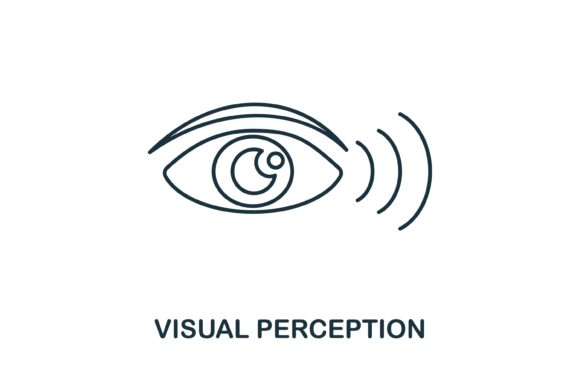
Visual perception icons are graphical symbols designed to represent the cognitive processes involved in how we see and interpret visual information. These icons play a crucial role in various fields, including web design, infographics, and educational materials, by providing a visual shorthand for complex concepts.
The Purpose and Significance of Visual Perception Icons
Visual perception icons serve multiple purposes. They help in simplifying and communicating intricate ideas, making them accessible to a broader audience. These icons are particularly useful in educational settings, where they can aid in teaching and learning about human cognition and perceptual processes. Additionally, they are valuable in design and technology, where they can enhance user interfaces and improve the overall user experience.
Practical Applications in Modern Life
In today’s digital age, visual perception icons are integrated into numerous applications. For instance, in web design, these icons can be used to create intuitive navigation systems, making it easier for users to find and understand information. In infographics, they help in presenting data and statistics in a visually appealing and easily digestible format. Educational platforms also benefit from these icons, as they can help students grasp complex psychological and neurological concepts more effectively.
Types of Visual Perception Icons
Visual perception icons come in various forms, each representing different aspects of visual processing. Some common types include:
- Sensory Input Icons: Represent the initial stages of visual input, such as light detection and image formation on the retina.
- Processing Icons: Illustrate the brain's role in interpreting and making sense of the visual information received.
- Cognitive Function Icons: Highlight higher-level cognitive processes, such as attention, memory, and decision-making, which are influenced by visual perception.
Creating and Using Visual Perception Icons
Creating high-quality visual perception icons requires a combination of artistic skill and an understanding of the underlying cognitive processes. These icons are typically available in various file formats, including EPS, JPG, AI, and SVG, making them versatile and easy to use across different platforms and applications.
File Formats and Their Benefits
Each file format has its own advantages:
- EPS (Encapsulated PostScript): Ideal for high-resolution printing and scalable vector graphics.
- JPG (Joint Photographic Experts Group): Suitable for web and screen use, offering a good balance between quality and file size.
- AI (Adobe Illustrator): Perfect for editing and customizing vector graphics, especially for professional designers.
- SVG (Scalable Vector Graphics): Highly versatile for web and mobile applications, as it is resolution-independent and supports interactivity.
Examples and Use Cases
To better understand the practical applications of visual perception icons, let’s look at some real-world examples:
- Educational Infographics: An infographic explaining the process of visual perception might use sensory input icons to show how light enters the eye and processing icons to illustrate how the brain interprets this information.
- User Interface Design: A website or application might use cognitive function icons to guide users through a series of steps, helping them understand and interact with the interface more intuitively.
- Marketing Materials: In a brochure or presentation, visual perception icons can be used to highlight the importance of visual elements in marketing and how they influence consumer behavior.
Common Misunderstandings and Clarifications
One common misunderstanding is that visual perception icons are only useful for designers and educators. However, these icons have a wide range of applications and can be beneficial in any field that involves visual communication. Another misconception is that these icons are static and cannot be customized. In reality, most visual perception icons are available in editable formats, allowing for customization to fit specific needs and contexts.
Conclusion
Visual perception icons are powerful tools that bridge the gap between complex cognitive processes and everyday understanding. By using these icons, we can make information more accessible, engaging, and memorable. Whether you are a designer, educator, or simply someone interested in cognitive science, incorporating visual perception icons into your work can enhance clarity and effectiveness.
For those looking to use these icons, the availability of multiple file formats (EPS, JPG, AI, SVG) makes them highly versatile and easy to integrate into various projects. With their ability to simplify and communicate complex ideas, visual perception icons are a valuable asset in modern life, work, and education.